Compare
Taking Over a Lease vs Buying Used
Leasing and buying can both be good ways to get a reliable car. This guide compares lease takeovers vs buying a used car, so you can check the real costs and avoid surprises.
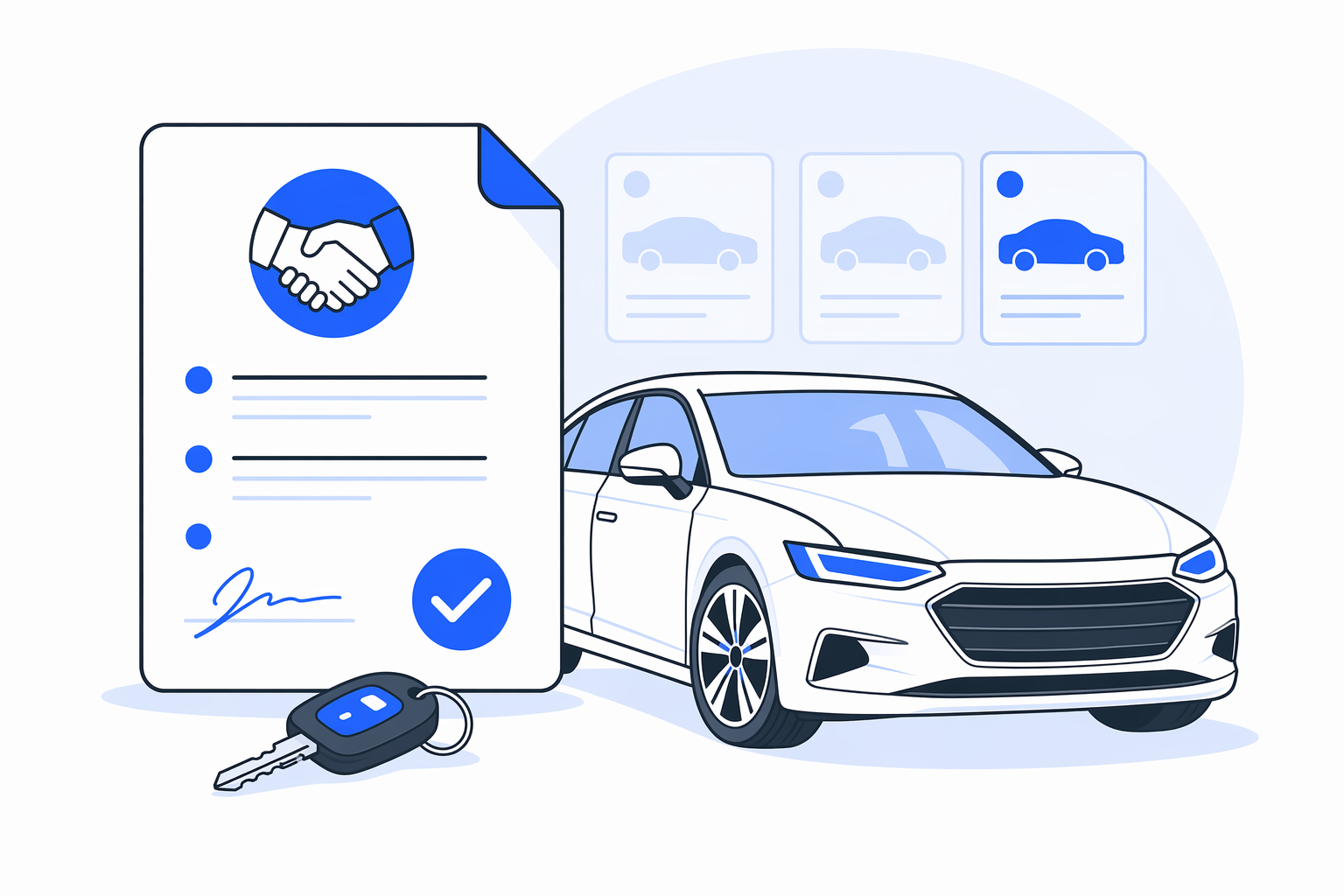
A lease takeover can fit short plans but comes with mileage and condition rules, while buying used gives ownership and flexibility but adds maintenance risk—compare total costs and terms in writing.
Quick overview: lease takeover vs used-car purchase
A lease takeover means you step into someone else’s lease agreement and make the remaining payments until the lease ends (or you may have options at the end).
Buying a used car means you pay for the vehicle and own it—either outright or with financing through a lender your dealer works with. You’re responsible for the car after purchase, including repairs, insurance, and maintenance.
Both options can fit different budgets and timelines. The best choice depends on total cost, how long you need the car, and what you can handle if something breaks.
Cost comparison: what usually changes the most
Lease takeovers often involve a monthly payment that can feel lower than buying, but the cost picture includes more than the payment.
Ask about the takeover fees (if any), transfer costs, what happens if you end early, and whether the lease requires specific tires, mileage limits, or condition standards at turn-in.
Buying a used car typically has a bigger upfront cost if you pay cash, or a down payment if you finance. After that, your monthly payment (if financed) may be higher or lower than a lease payment, but you’re building ownership equity rather than paying for time-limited use.
Tip: Compare total cost, not just the monthly payment. Look at the estimated out-the-door purchase price, expected interest (APR), insurance, and how long you plan to keep the vehicle.
For a deeper breakdown, see used-car costs.
Commitment and flexibility: how each option behaves over time
Lease takeovers usually have a fixed end date and rules. Common limits include mileage caps and wear-and-tear guidelines. If you exceed mileage, don’t meet condition expectations, or return the vehicle with damage beyond normal wear, charges can apply.
Buying a used car is usually more flexible. You can keep the car as long as it’s reliable and affordable. You can also sell it later, swap plans, or choose a different vehicle without needing to follow lease return rules.
If your life plan is uncertain (job location, school, family changes), flexibility can matter. In that case, a used purchase can reduce the risk of lease penalties—though repairs become your responsibility.
Ownership and end-game choices
With a lease takeover, your end-game depends on the lease contract. Some leases allow you to purchase the car at the end, while others require turn-in. If you buy at the end, the price and condition requirements matter.
With a used car purchase, your end-game is simpler: you own the vehicle. The “cost of keeping it” shifts toward maintenance and repairs, plus the risk that an older vehicle may need more work as mileage rises.
If you’re comparing both, ask a practical question: “How long do I realistically plan to keep the car?” If it’s only a short time, a lease takeover might align better. If you want long-term ownership, buying used may fit better.
What to check before you commit (lease takeover or buying used)
Always get the terms in writing before you move forward.
For a lease takeover, confirm: the exact remaining lease term, monthly payment amount, any transfer fees, mileage limit, and the current vehicle condition. Also ask what inspection process applies at end-of-lease and how wear-and-tear is judged.
For buying used, you’ll want clear vehicle history, and you should inspect the car closely before purchase. Use a checklist and consider a trusted inspection if possible.
Here’s a helpful guide: how to inspect a used car.
Either way, don’t rely on verbal promises. Request the written numbers you’ll be responsible for—out-the-door price, fees, and the key rules that affect your total cost.
Financing and credit: what’s different (and what’s not)
Approval and pricing depend on many factors: your credit history, income, the lender’s rules, and the vehicle’s value/condition. No one can guarantee loan approval or lock in a specific APR.
With a lease takeover, the original lease terms may require the new driver/lessee to qualify under the leasing company’s process. That means credit and documentation can still matter.
With buying a used car, dealers typically work with lenders, but each lender decides approval and rates. It’s especially important to understand how APR affects the total cost over time. Truth-in-Lending regulations focus on the total finance cost and APR, so the monthly payment alone isn’t the full story.
If you’re exploring options, you can compare local used-car inventory with dealers who work with different credit situations—without paying anything to CarMatchLane. Learn more by starting at get-matched.
Common questions
Is a lease takeover always cheaper than buying used?
Not necessarily. A lower monthly payment can be offset by takeover/transfer fees, mileage limits, and end-of-lease condition charges. Compare total cost over the time you expect to keep the car.
Can I walk away from a lease takeover if my situation changes?
Often, you can’t simply stop payments without consequences. Lease contracts may have rules for early termination, re-transfer, or penalties. Review the contract terms in writing before you sign.
What should I ask about mileage and wear-and-tear on a lease takeover?
Ask for the mileage limit, the current mileage, how wear-and-tear is measured, and what charges could apply at the end. Get the vehicle’s current inspection/condition notes if available.
If I buy used, will I have repair costs?
Yes, repairs and maintenance are part of owning a used vehicle. The amount varies by the car’s condition, mileage, maintenance history, and how you drive. That’s why an inspection and a solid service history matter.
Can CarMatchLane guarantee I’ll get approved for financing?
No. CarMatchLane is not a lender and can’t guarantee approval or specific APRs. Approval and rates depend on your details, the lender, and the vehicle.
What information does CarMatchLane ask for?
We collect basic contact details and what you want in a vehicle (like budget range, preferred features, and timeline). We do not request sensitive identity or financial account details such as SSN/ITIN, driver’s-license number, or credit reports.
Get matched with local dealers — free
Always inspect a used car yourself or with a trusted mechanic, read the vehicle history report, and review the price and financing in writing before you sign.
Get matched, free
Looking for a used car right now?
Get matched, free, with local dealers near you. You compare the out-the-door price and the financing, inspect the car, and choose who to buy from — no pressure, no SSN, no guaranteed-approval gimmicks.