How we've helped
A Buyer Who Spotted a Bad Car in Time
See how one used-car shopper used a simple inspection checklist to notice a red flag, avoid a bad deal, and keep searching with the right info in hand. This is an anonymized story.
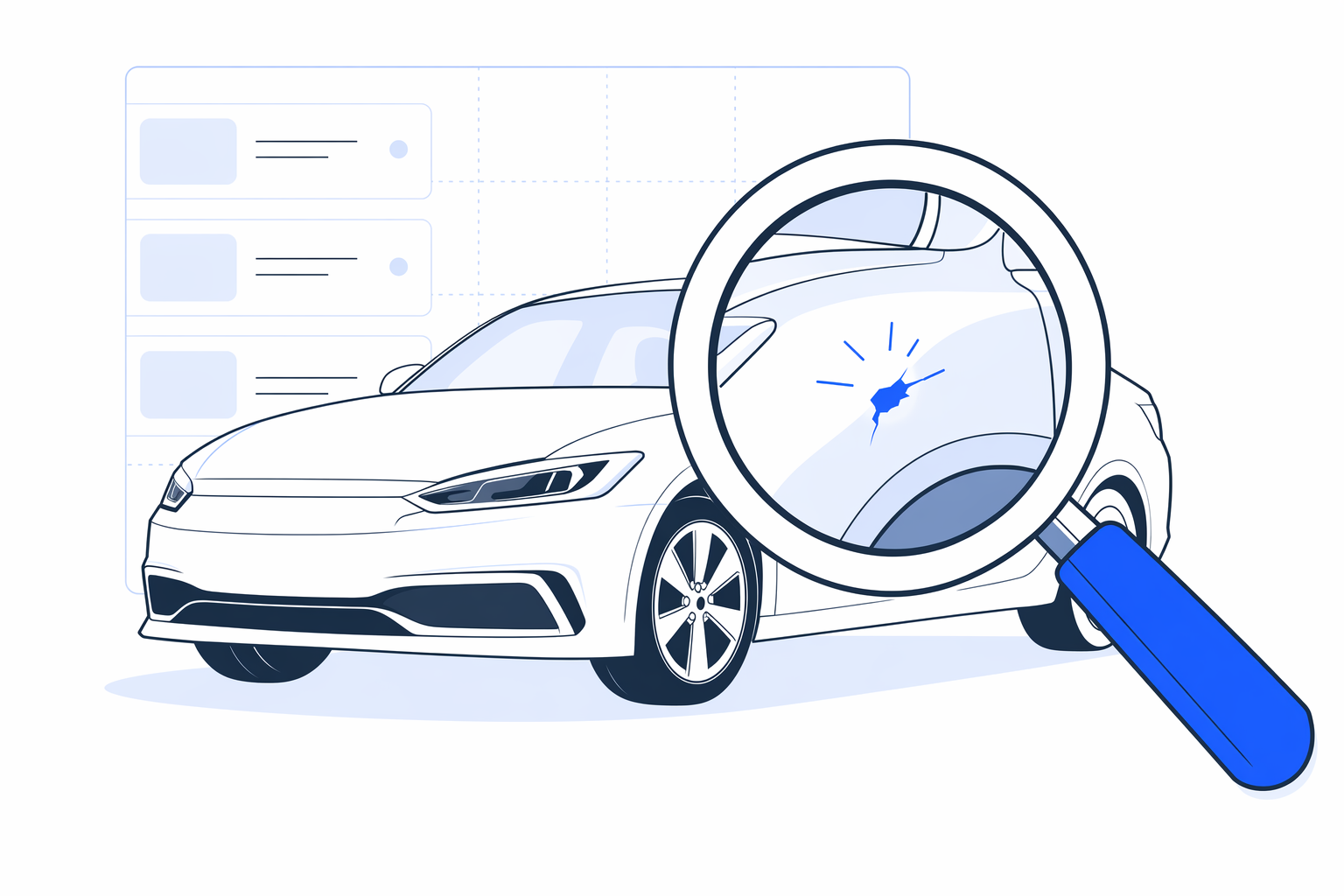
An anonymized buyer used an inspection checklist to spot hidden trouble, walked away before signing, and then used free matching to keep searching with better information.
The situation: ready to buy, but something felt off
Our buyer (we’ll call them “Jordan”) found a used car that looked good on the outside. The price seemed “within reach,” and the listing photos showed a clean interior.
But Jordan also had a family and a work schedule, so they didn’t want surprises after purchase. They knew that with used cars, small issues can become expensive fast—especially if you discover them after signing paperwork.
Instead of rushing, Jordan chose to slow down and verify what was really going on. They started with an inspection checklist and asked for key information before moving forward.
Step one: verify the basics before spending time on paperwork
Jordan began with the questions that can reveal hidden problems early:
• When was the last service done?
• Why are there any warning lights on?
• Does the car come with maintenance records?
Then they used a practical guide to structure the inspection—so they weren’t relying on “it looks fine” or a quick glance.
If you want to follow the same approach, use how to inspect a used car. The goal is to catch problems early, not to pass judgment—just to make sure you’re informed.
The inspection moment: one red flag changed everything
During the inspection, Jordan noticed signs that didn’t match the seller’s “everything is fine” story. The car started normally, but the details told a different picture.
Jordan paid attention to things that are easy to miss when you’re excited:
• Uneven wear that suggested alignment or suspension issues
• Suspicious fluid condition that didn’t line up with recent claims
• Warning indicators that weren’t clearly explained
None of these items alone “prove” the car is unsafe. But together, they suggested there could be an issue the buyer could not afford to discover later.
The decision: walk away and ask for the truth in writing
Jordan used the checklist to explain the concerns calmly and asked for documentation and clear answers. When the seller couldn’t provide straightforward information, Jordan decided to stop the deal.
This is where many buyers lose money—because they feel pressured by “today only” urgency or because they assume the dealer will fix it after the purchase. Jordan didn’t gamble.
Instead, Jordan walked away and kept the experience as data: the inspection showed something worth addressing, but the current offer didn’t include enough proof to justify moving forward.
If you’re comparing vehicles, this step matters even more. Ask for the out-the-door price and financing terms in writing, and don’t accept vague promises.
What happened next: search with a better plan (and more options)
After walking away, Jordan didn’t go back to guesswork. They refined their search criteria and used a structured matching approach to connect with local used-car dealers.
CarMatchLane is a free service that helps you get matched with participating local dealers based on what you want—so you can spend less time calling around and more time reviewing real options.
Jordan also treated each step like a checkpoint: verify vehicle history and maintenance details, use the inspection checklist, and make sure anything important is discussed clearly before committing. That meant Jordan could keep moving without skipping safety and due diligence.
Cost awareness: why the “monthly payment” wasn’t the whole story
Jordan noticed that it’s easy to focus on a monthly payment and forget the true cost of buying a used car. Even when a car seems affordable up front, repairs, tires, brakes, and minor fixes add up quickly.
To stay realistic, Jordan reviewed typical total costs—thinking in ranges and planning for the possibility of repairs—rather than treating the first number as a final answer.
For a helpful starting point, see used car costs. Rules vary by state, and your final numbers depend on the car, dealer, taxes, and financing terms. Nobody can guarantee loan approval or rates for any credit situation, so Jordan planned for multiple scenarios and focused on what could be verified.
Common questions
Can an inspection checklist really help me avoid a bad used car?
It can. A checklist helps you notice warning signs and ask the right questions instead of relying on first impressions. It’s still important to get any concerns checked and to avoid moving forward without clear answers.
If a dealer says they’ll fix it after I buy, is that enough?
No—don’t rely on verbal promises. Get important repair details, the out-the-door price, and financing terms in writing before you agree.
Does CarMatchLane guarantee I’ll get approved for financing?
No. Approval and rates depend on you, the lender, and the vehicle, and no one can guarantee results. CarMatchLane is a free matching service that connects you with local participating dealers.
What information do I need to share to get matched?
You share contact details and what you’re looking for in a car. We do not collect sensitive data like SSNs/ITIN numbers, driver’s license numbers, credit reports, or bank/credit-card/account numbers.
Is it safer to walk away if something seems off during inspection?
Often, yes. If the seller can’t give clear answers or documentation for a red flag, walking away can save you time and money. You can keep searching for a better option with the right information in hand.
Get matched with local dealers — free
Always inspect a used car yourself or with a trusted mechanic, read the vehicle history report, and review the price and financing in writing before you sign.
Get matched, free
Looking for a used car right now?
Get matched, free, with local dealers near you. You compare the out-the-door price and the financing, inspect the car, and choose who to buy from — no pressure, no SSN, no guaranteed-approval gimmicks.